Join Us for Two Events to Learn More and Discuss!
CLAC Insight Breakfast
Join CLAC for an engaging conversation, together with representatives from the City of London and the Region of Waterloo, each of which have recently launched innovative pilot projects that will help evaluate the potential benefit, the real costs, and the lasting outcomes that CBAs have to offer.
Together, we’ll consider the practical challenges and policy considerations for municipalities that are considering introducing CBAs
Speakers & Panel Members
 Jennie is a civil engineer with over 20 years of experience in municipal engineering spanning the fields of stormwater management and sewer engineering, development approvals, growth master planning and financing, and leading London’s rapid transit initiative. In her current role as director of Construction and Infrastructure Services with the City of London, Jennie leads the city’s Construction Administration, Geomatics, GIS, and Major Projects teams. Jennie attended the University of Waterloo, where she received her co-op honours degree in civil engineering. Jennie also has a diploma in public administration from Western University and volunteers as a warden with Camp 11 for the ritual calling of an engineer.
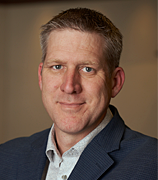 Ian DeWaard is CLAC’s Ontario director. He began working for CLAC even before graduating university, serving as an intern in Grimsby, Ontario, in 2000. Upon graduating with his bachelor of arts in business, he became a representative and went on to open two CLAC member centres—one in Ottawa and one in Cambridge. In 2017 he became CLAC’s Ontario director. Ian has negotiated collective agreements in most sectors in which CLAC members work. He has been very involved in CLAC’s government relations, speaking regularly to government committees regarding CLAC’s view of labour policy and needed labour legislation reform. More about CLAC
 Albert Flootman holds a bachelor of environmental studies degree (urban and regional planning) from the University of Waterloo, and a master of public administration degree from the University of Western Ontario. He is a full member of the Canadian Institute of Planners and accredited as a registered professional planner in the province of Alberta. He is also an associate member of the Canadian Association of Management Consultants. More about Cardus
 Christine Stahl is a social planning associate in the Employment and Income Support division at the Region of Waterloo. She holds a master’s degree in social work from Wilfrid Laurier University with a focus in community, policy, planning, and organizations and has project management experience in the not-for-profit and public sectors. Christine is one of leads in the development and implementation of the Region of Waterloo’s Community Benefits Agreements pilot.
A Deeper Dive into CBA Best Practices
Join us at Cardus Ottawa to continue the conversation about CBAs. We’ll start with an engaging panel, followed by questions from the crowd. Refreshments will be provided.
Panel Members
Patrick McManus, Executive Director at OSWCA / GTSWCA
Tina Iacoe, Procurement Manager, City of Hamilton (TBC)
Albert Flootman, Cardus
Ian DeWaard, CLAC
Moderator — Brian Djikema, Cardus
CLAC’s View: CBAs Should Be Inclusive
Community Benefit Agreements are touted as mechanisms for diversity and inclusivity, as procurement procedures can be used to advance social programs. However, some CBAs inadvertently shut out large swaths of Ontario’s taxpaying workers. CLAC advocates for CBAs that ensure access to the work by all qualified construction contractors and all their workers. It should not depend on union affiliation. However, some unions are trying to convince governments that the best way to achieve diversity is through exclusive hiring arrangement with their union only. We believe this is counter-productive, as it excludes the majority of workers.
More Information
Community Benefits in Canada, Ontario, and Other Jurisdictions
event details
CLAC Insight Breakfast
Tuesday, August 16, 7:45–8:30 a.m.
Nunavut Room, The Westin, Ottawa
A Deeper Dive into CBA Best Practices
Tuesday, August 16, 6:30–8:00 p.m.
Cardus, 45 Rideau St., Ottawa
Continue the Conversation
Interested in talking further about how to create inclusive CBAs?
Contact us and we’ll be in touch!